
This year I have been saddened and disorientated by the loss of five of my close friends three of them I had known for 50 years and more. The loss of a friend takes away something of yourself. It was Aristotle who said that a good friend was your second self through whom you discovered ways in which you could become who you were. The loss therefore is quite considerable, and a part of old age. However – on we go!
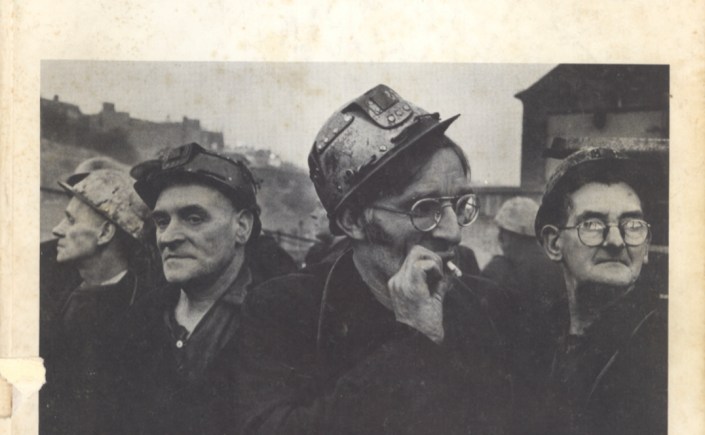
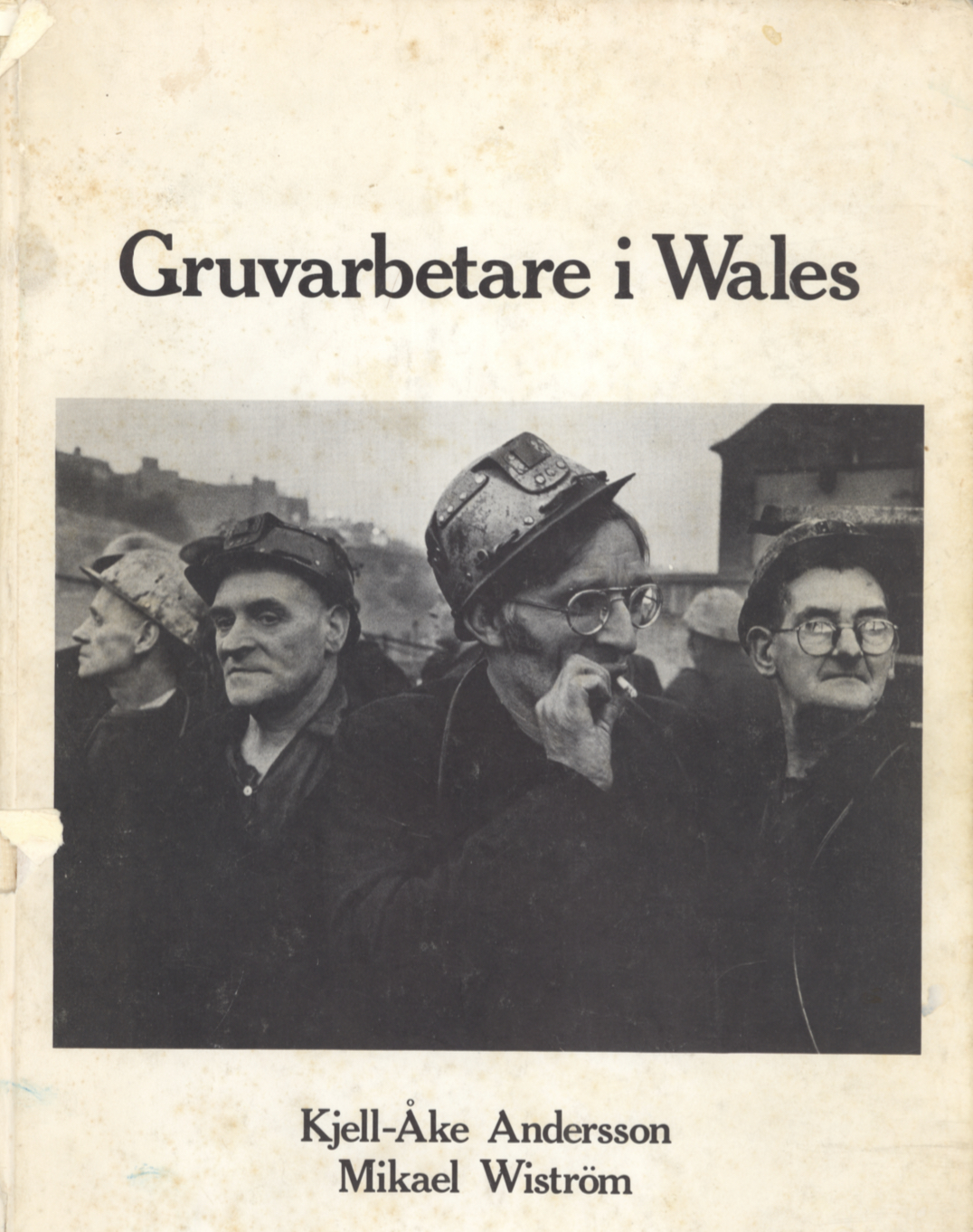
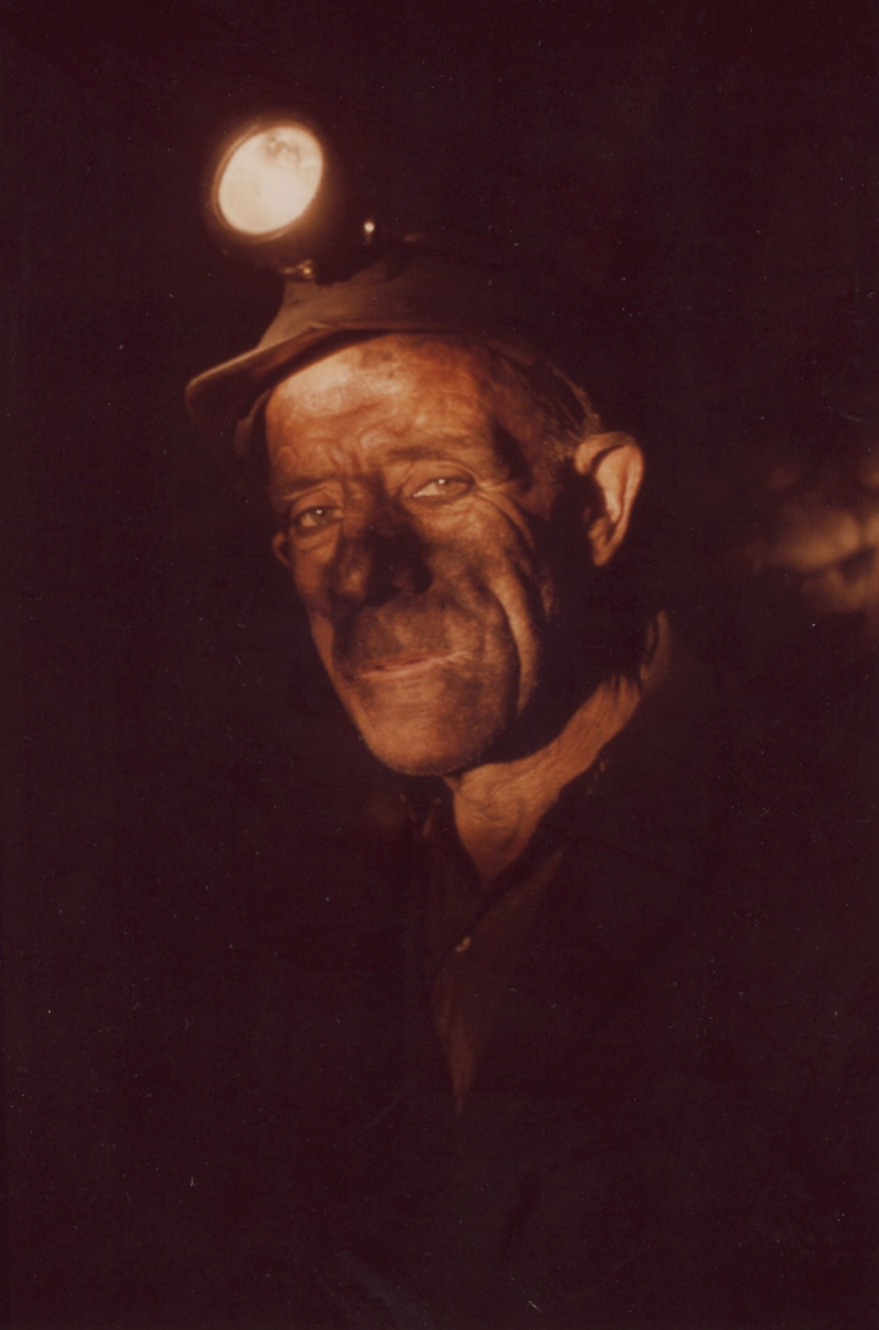
I’m now looking again at the idea of a photographic book and gaining a sense of optimism from the photographs and the memories that they bring back about the time when I was working closely with the coalminers in Durham. One of them, David Temple, the face electrician who became a significant writer, Marxist and chronicler of working-class life on the Durham coalfield, was one of those who died. Appropriately he, like Karl Marx, died working at his desk. I have written a short piece about his life:
David Temple 1945-2025
Like many others I was shocked by the news of David Temple’s sudden death. A quiet but determined and passionate man he had, through his writings, hard work and research become a central figure in the movement that celebrated the culture of mining communities in the North. He has left his mark in the renovation of Redhills the old NUM headquarters and its transformation into a fulcrum for the continued care and development of the places so badly affected by coal mine closures. His energy and thoughtfulness will be greatly missed.
David was born in Bishop Auckland in 1945 and spent his early childhood in the town he remembers as being “black: everything was just black”. Such was the dominance of the coal industry, and with it trade unionism and politics. His father was a schoolteacher, and a transfer of employment took the family to Sunderland where David completed his secondary education in the same school as the late Davie Hopper. It seems that on one occasion they came to blows in the playground and 50 years later he reminded the then General Secretary that he had been a “very dirty fighter”.
In this time, he retained his links with Teesdale and his love of the outdoors, cycling and fell running. Yet when thinking back to his early life David remembered one thing with clarity – that he came from a very political and left-wing family with his father and uncles in different parties and political groups with argument never far away and always around the table at family get-together. He would say that he could not remember a time when he didn’t have a political view, and it was of the Left. In 1964 he joined the Socialist Labour League and with its reformation as the Workers Revolutionary Party was persuaded to stand as a candidate at Houghton-le Spring in the 1979 general election. By that time, he had become close political friends with. the ex-miner and sociologist Cliff Slaughter who had co-authored the famous study Coal is Our Life based on Featherstone in Yorkshire. Cliff encouraged David to write, and this led to the publication of his influential pamphlet British Miners and the Capitalist Crisis which anticipated the conflicts that would lead to the strike on the coalfield in 1984-85. By the time of the strike and following the crisis in the leadership both men had left the party believing in the need for the humanisation of Marxist theory and a “refoundation” of the working-class movement from below, something that fitted more easily with David’s personality and way of life. It became his mission. While retaining a strong internationalism through his links with miners in Ukraine and South Africa his main focus and energy was directed towards the mining communities of Durham and Northeast England.
At the end of the fifties the coal industry was in dramatic decline and David obtained an apprenticeship with the electricity board, remaining with them until 1973 when he successfully applied for a job working underground at the Murton colliery There, he became known as a conscientious face electrician an active and well respected. member of the Durham Colliery Mechanics Association, and a man of Murton, with a significant voice across the coalfield. He was a strong advocate of discussion groups and education and sponsored these at Murton, where, to no surprise, in 1984 the Mechanics lodge there voted to support the strike, picketing out the miners!

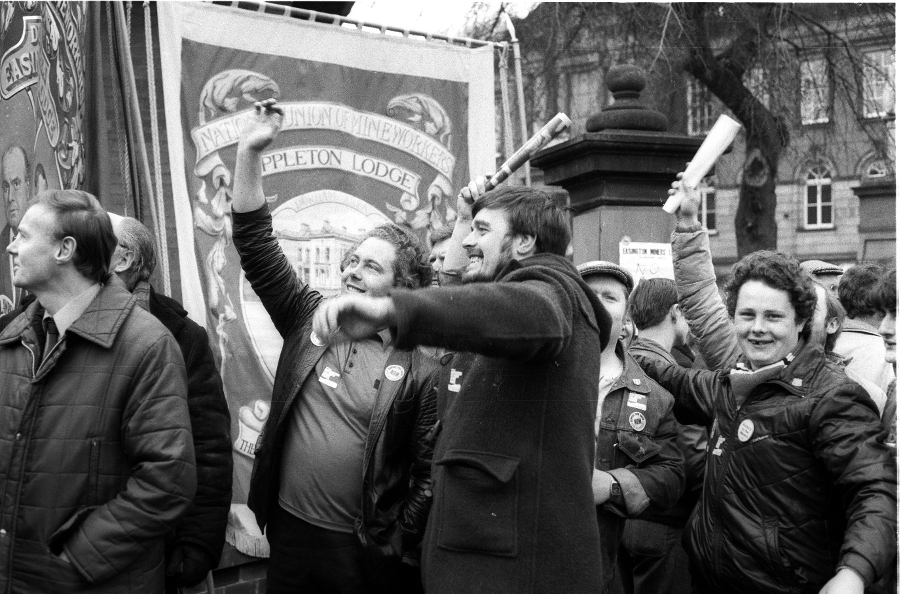
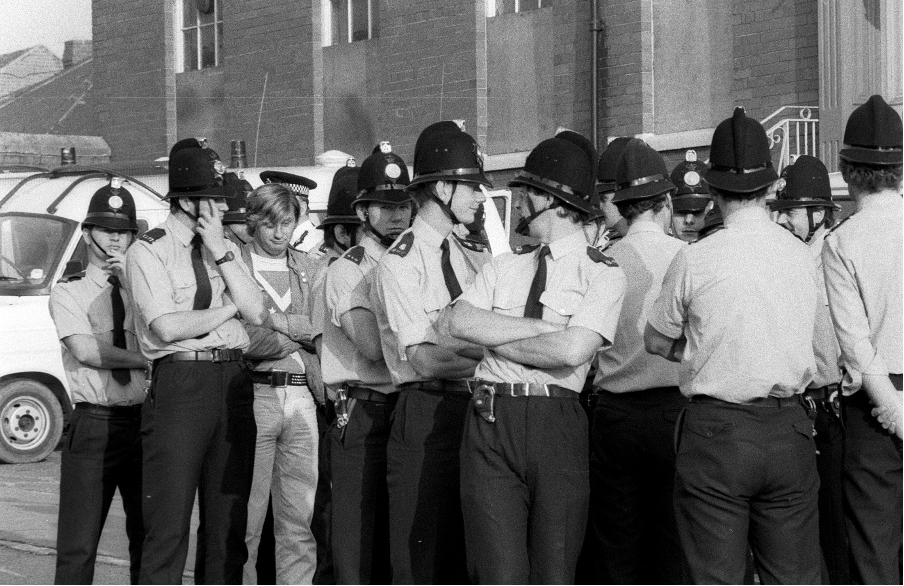
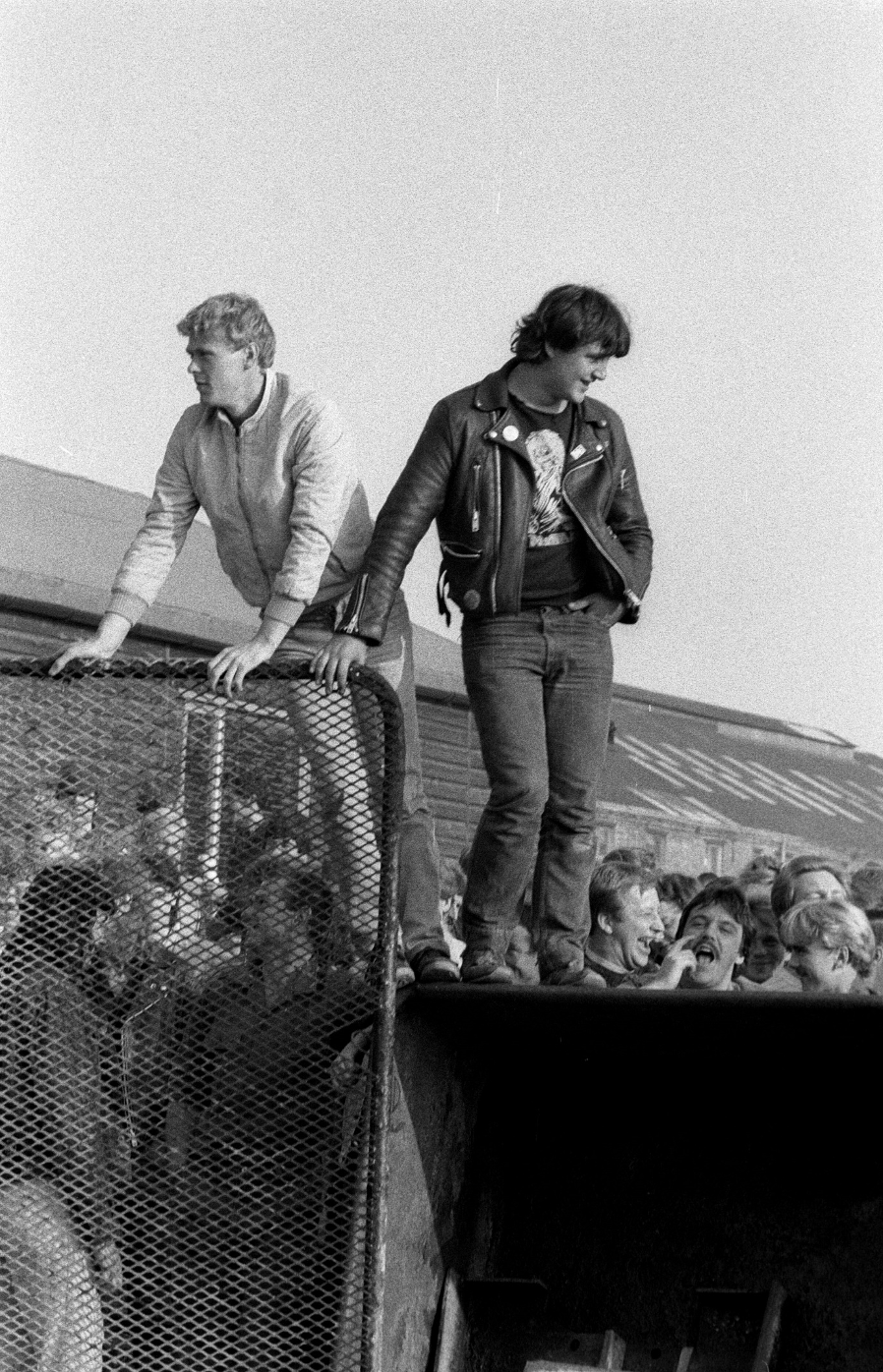
The strike of course was a major event and a standout moment in the history of British mining and the working-class movement. David was centrally involved, he was at Orgreave and at the Easington and Wearmouth pickets, spending 24 hours in jail as a consequence. Reflecting on this at the time, he observed that it was one thing to think about the capacity of the state to turn against the workers but another to experience it directly. It was a very disturbing time drawing attention to the ways in which police violence influenced the course of the conflict. By the August, after the failure of the talks between the union and the NCB, it seemed clear to him that the Thatcher government was not going to allow a settlement; it was determined to teach the miners a lesson. This proved to be true, and the punishment continued when the miners returned to the collieries where policies were introduced to back up MacGregor’s promise that they would discover “the price of subordination and insurrection”. David himself, as a known activist, was allocated to work with a man who had broken the strike. He spent a year of silence in the mine.
As the strike drew to a close, there was concern for the many miners who had been sacked by the NCB, often as a result of quite minor infringements, now facing unemployment. One of these was a close friend of David’s and, thinking of a practical and political solution, he approached his bank manager for a loan. This was to set up a small printing workshop where his friend and others could have a job. He planned to purchase a building in the run-down dockland area of Newcastle and, after inspection, and convinced by David’s passion and assessment of the future market, the loan was agreed, and the Trade Union Printing Services (TUPS) workshop was up and running. The new leadership of the Durham Area of the NUM agreed that the new Brochure of the annual Gala or Big Meeting, would be printed at TUPS and that David would write and edit the content. With the closure of the mines, the Gala changed and the brochure reflected and amplified this. What was once a reliable but rather bureaucratic annual report becoming transformed into a colourful reflection of the life and history of the union and the local communities, many of them collectors’ items.
After the predicted closure of the Murton mine in 1991 David transferred to Easington, staying in the industry until its final closure in 1993. The next thirty years turned out to be dramatic ones with coal remaining very much alive in his political life, in his memories and in his development as a writer and historian. These concerns drove him forward, delving into archives, following leads and talking with people, in the development of original research. Over a period of twenty years this led to series of books and booklets from TUPS Press, each of them filled with detail and informed by a coherent understanding of the processes that accompanied the development and ending of coal mining in Durham county.
The Collieries of County Durham: Volume 1 and 2 contained a social history of each of the mines and the villages around them. The entry on Easington, for example, contains some of the greatest detail available on that mine and on the explosion there in 1951. This collection was followed by Above and Below the Limestone: The Pits and People of Easington District which gives a remarkable view of the area’s development through and within mining and the ways in which trade union activity also evolved. It was accompanied by The Durham Miners’ Millennium Book, which took a broader and more extended view, providing a readable, informed, illustrated account of mining trade unionism in Durham, and containing a personal and detailed account of the uprising that took place in Easington colliery in August 1985. He followed this with an extremely detailed and revealing examination of the lives of the men and women involved in the history of Boldon, one of the area’s most famous collieries. Boldon Colliery: A Proud Heritage was another considerable achievement. Taken together, these books make a unique and substantial contribution to mining history in the north of England.
To them can be added his most successful book: The Big Meeting: A History of the Durham Miners’ Gala a sweeping historical account of the event held in Durham on the second Saturday of July. It was published through the support of hundreds of subscriptions and became a hugely popular success (going into a second edition in 2021) and reflected the deep affection he and others felt for the Gala. It was there that he and Jean first met, an encounter and lifelong marriage, that in many ways typified the significance of the Big Meeting within Durham mining culture. However, the closure of the mines threatens the Gala’s future. Without the miners’ wages, and with the trade union’s resources already depleted, it seemed like a huge struggle. But the trade union leadership was determined to keep going and after important financial support from the philanthropist Michael Watt, they found in Dave Temple one of their strongest supporters.
During the strike David had learned the language and politics of necessity. He had been instrumental in setting up the Save Easington Area Mine organisation (SEAM) and he valued its independence with its strong focus on local needs. Once the kitchens were up and running, he was confident that the strike could hold and endorsed the slogan “they shall not starve” . He felt the same way about food banks. It was wrong that they were needed but they were necessary for people to survive. So too with the Durham Miners’ Gala: it was absolutely necessary if any semblance of community solidarity was to be retained and built on. As such he came up again with the idea of subscriptions linked to the Friends of the Durham Gala – “The Marras”- a network of committed supporters who would make annual payments in support of the event. The miners’ Gala continued to flourish and became fully transformed from a local trade union meeting and celebration into a national labour and community festival. David was centrally involved in this development and saw in it the inheritance of the strike and the justification for its longevity. As he wrote to me on the 30th anniversary:
“I often think how poorer our lives would have been without that year if we had just faded away without a fight, I am sure there would now be no Gala to boost our sense of well-being each year. But more importantly it has become a symbol of resistance and a rallying point which is quite extraordinary”.
It was on the back of this success and the increasingly national coverage given to Durham and its mining communities, that the transformational Redhills project was launched with Dave at its very heart. In his mind it was absolutely necessary to retain the building as a focal point and historical lightening rod to the power of mining trade unionism and the communities that created it. Here was an opportunity to link the development of socialist ideas, with the strong cultural features – vernacular and musical – of working-class community life in the North. While Redhills would sit at the centre, these communities had of necessity to be pivotal to the way the project developed. At one meeting, when asked what the aim of the project should be, he answered that it should provide clear and material benefits for the old mining communities, for only in this way could it retain and build legitimacy as a social movement from below. He has left this as a legacy; and one to be built on.
Huw Beynon





 Huw Beynon